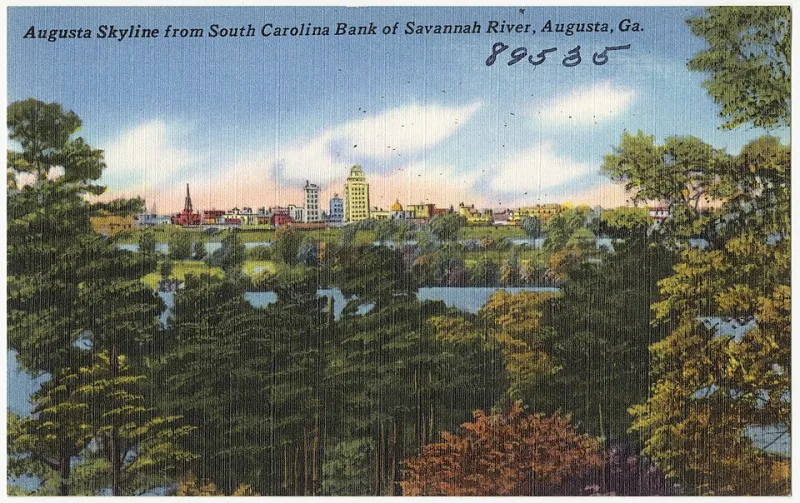
Betting on Augusta: The Young Founders Turning Forgotten Blocks Into Opportunity Zones
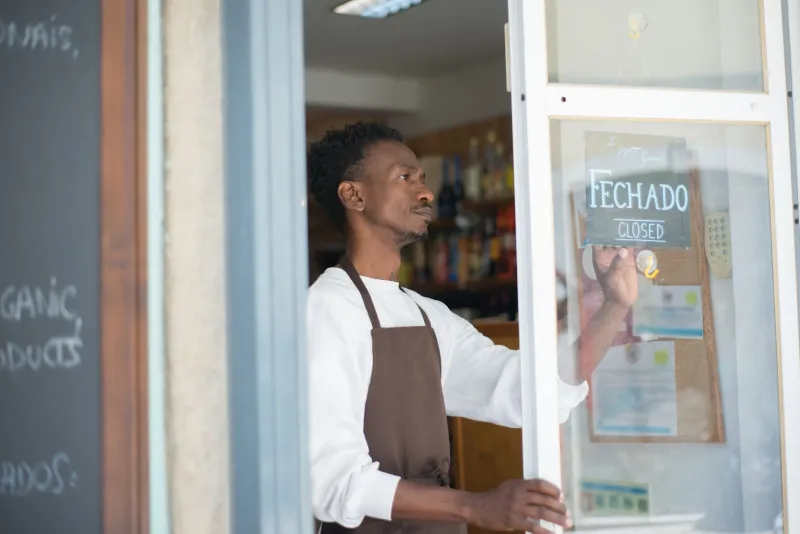
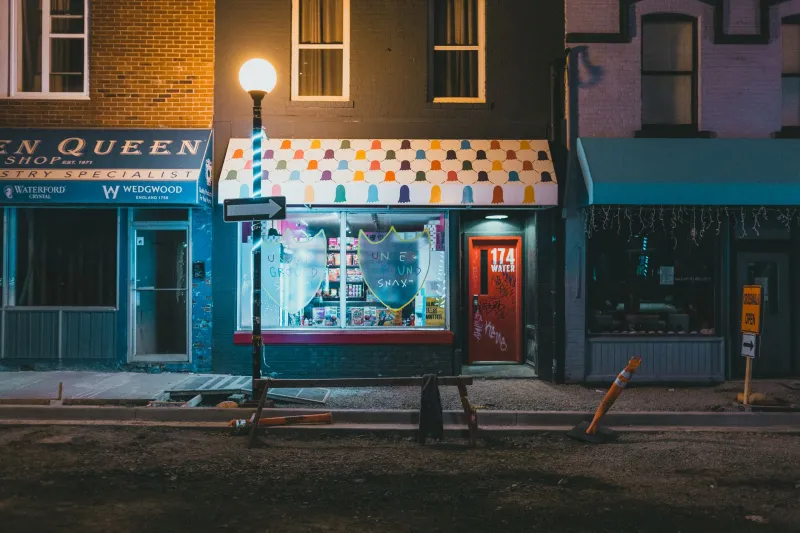
Drive through certain stretches of Augusta on a Tuesday morning and you might still see the leftovers of decades-old disinvestment — shuttered storefronts, overgrown lots, buildings that look like they've been waiting a long time for someone to notice them. But look a little closer, and you'll start to spot something else: fresh paint, new signage, and young people showing up to work.
A quiet but meaningful shift is underway in some of Augusta's most overlooked neighborhoods, and it's being led not by outside developers or corporate chains, but by local twenty- and thirty-somethings who grew up here, left for school or opportunity, and made the deliberate choice to come back — and build.
Choosing the Hard Road for a Reason
When Darius Whitfield decided to open his logistics and courier company three years ago, everyone told him to set up somewhere easier. A business park off I-20, maybe. Somewhere with good foot traffic and a parking lot that didn't need repaving.
Instead, he signed a lease on a former auto repair shop in a neighborhood that most people in Augusta's business community politely described as "up and coming" — which, as Darius puts it, is a nice way of saying nobody else wanted to be there yet.
"I knew the neighborhood," he says, leaning back in a chair that still has price tags on the bottom because the office furniture just arrived last week. "I knew the people. And I knew that if I hired from the community, I'd get workers who had something real at stake. They're not commuting in from somewhere else. This is their block."
His company now employs eleven people, nine of whom live within a two-mile radius of the building. Turnover has been low. Morale, he says, is something you can feel when you walk in the door.
The Domino Nobody Expected
What happens when one young entrepreneur bets on a neighborhood? Sometimes, not much. But in Augusta, there's growing evidence that the first mover matters — a lot.
Take the stretch of Laney-Walker Boulevard that's seen three new small businesses open in the past eighteen months, all within walking distance of each other. A natural hair care studio. A community-focused print shop. A small-batch food production kitchen that rents space to local vendors by the hour.
None of these owners coordinated in advance. They found each other after the fact — at a city planning meeting, of all places — and realized they'd each made the same calculated gamble independently.
Jasmine Okafor, who runs the print shop, describes it plainly: "I couldn't afford the rent anywhere that was already 'desirable.' So I looked at where the rent was honest, where the space was real, and where people actually needed what I was offering. It wasn't a charity move. It was just smart business."
Her shop now prints materials for neighborhood organizations, church events, local political campaigns, and small businesses that previously had to go outside Augusta to get quality work done. She's hired two part-time employees and is looking to bring on a full-time designer by the end of the year.
The Challenges Nobody Puts in the Press Release
It would be easy to frame all of this as a feel-good story with a clean narrative arc. The reality is messier, and these founders are the first to say so.
Access to capital remains one of the biggest barriers. Several entrepreneurs interviewed for this piece described the experience of walking into a bank with a solid business plan and walking out empty-handed — or being offered terms that made growth nearly impossible. "The system isn't set up to take a chance on you when you're young, you're in a neighborhood like this, and you don't have generational wealth behind you," says Marcus Tillman, who opened a small-scale manufacturing workshop focused on custom metal fabrication. "You figure it out anyway, but it costs you time and stress that other people don't have to spend."
Infrastructure is another reality check. Unreliable internet, aging electrical systems, and spotty public transit routes can make operating in certain parts of Augusta genuinely harder than in more developed corridors. Several founders mentioned spending significant personal funds just to bring a space up to basic operational standards before they could even think about opening day.
And then there's the less tangible challenge: convincing customers, suppliers, and potential employees that your business is legitimate and stable when it's located somewhere they've been conditioned to overlook.
"You spend a lot of energy just proving you're real," Jasmine says with a laugh that suggests she's made peace with it. "But once people come in and see what you've built, that conversation doesn't happen twice."
Why They Stayed — and Why It Matters
The through-line in nearly every conversation with these entrepreneurs is a version of the same sentiment: Augusta gave them something, and they want to give something back — but not in a passive way. Not through donation or volunteerism alone. Through ownership, employment, and economic permanence.
"I had offers," Darius says. "Atlanta, Charlotte — places where the industry I'm in is bigger. But I kept thinking about what it would mean to build something here. To be the reason somebody in my neighborhood has health insurance. That's not nothing."
For a city that has long grappled with brain drain — watching talented young people leave for larger metros and rarely return — these stories represent something worth paying close attention to. When young founders choose Augusta not as a fallback but as a first choice, it changes the story the city tells about itself.
And when they choose the neighborhoods that have historically been passed over, they do something even more significant: they signal that value exists where others haven't looked, and that opportunity doesn't have to be imported from somewhere else.
Building Something That Lasts
None of this is finished. These are early-stage businesses in neighborhoods still navigating their own transitions. There will be hard quarters, staff turnover, lease renewals that don't go smoothly, and moments where the whole thing feels uncertain.
But the foundation being laid — in the relationships, the local hiring, the physical presence of active, community-rooted businesses — is real. And in Augusta, where the soul of the city has always been found in its people more than its skyline, that foundation is exactly what economic development is supposed to look like.
The blocks that once looked forgotten are starting to remember themselves. And the young people doing the work aren't waiting for permission.